

Superstition can lead to magick.
And I mean magic with a K.
When magick has a K at the end it is associated with the occult, with witchcraft, the practicing of magic, white, black, or gray.
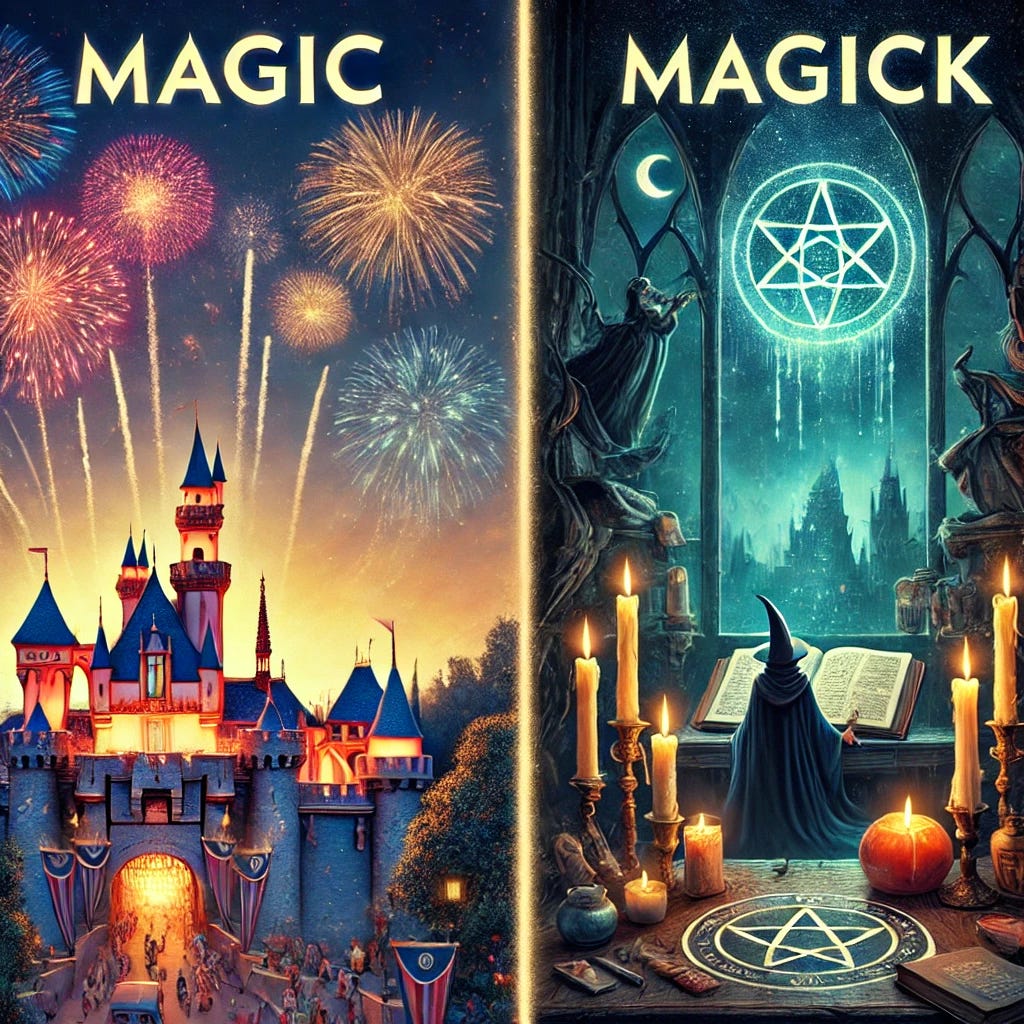
Magick was given a k at the end by Aleister Crowley, the self-proclaimed “most evil man in the world,” a witch who had great influence on Western occultism, rock culture, and literature. The Beetles featured them on an album cover, Robert Plant and David Bowie fought each other to buy his house, and writers like Clive Barker and Mariana Enriquez evoke his spirit in their dark works of fiction. He helped give shape to Wicca, although those who practice it have gone beyond his influence and some have rejected or canceled him.
One of the tenets of Thelema, the religion he created, was, “Do what thou will shall be the whole of the law.”
Wicca softened it by adding, “An it harm no one, do what ye will.”
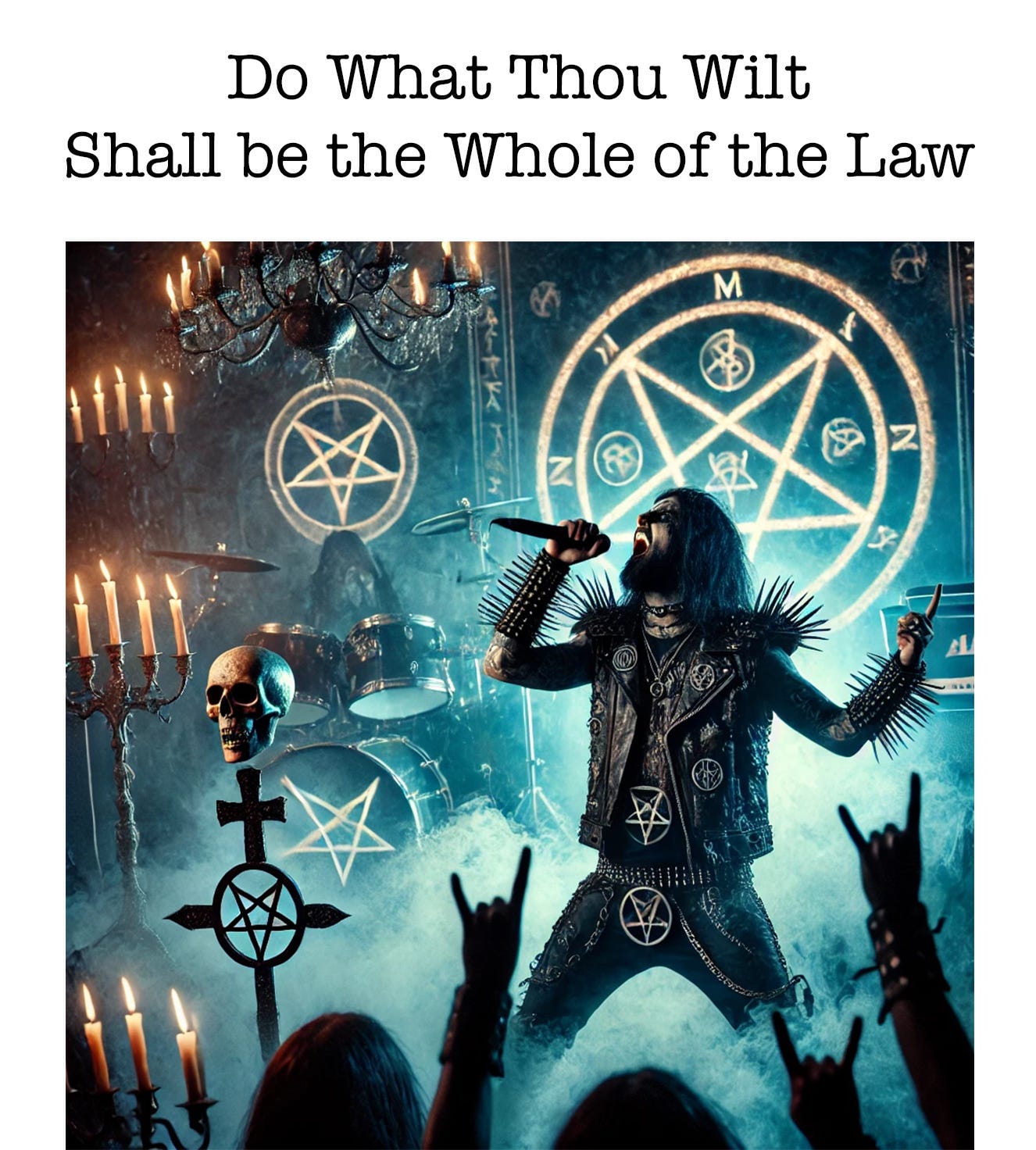
Wicca is a lot nicer than Crowley.
He added the k to magick for numerical reasons, as he practiced Qabalah, which uses complex numerology that only the initiated can understand, to reveal secrets of the universe like a physicist uses math.
Crowley put a k at the end of magic for Qabalistic reasons.
Not Kabbalah with a K or Cabala with a C, but Qabalah with a Q. They are all variations of the same mystical system, which partly relies on numerology, exegesis of ancient texts, and the Tree of Life. When you see qabalah with a q it indicates witchcraft.
Crowley defines magick as “The Science and Art of causing Change to occur in conformity with Will.”
Science.
That magick is a science is an obvious truth embedded in the famous quote by Sir Arthur C. Clarke, “Any sufficiently advanced technology is indistinguishable from magic."
With quantum mechanics, humans learned among other things about entanglement, what Einstein called Spooky Action at a Distance, and in the process of digging deeply into the math and observation, physicists can direct quantum energy and particles that cause change in conformity to our will, and on levels that in any other time in history would be magic. Eventually, Einstein would admit that he was wrong about quantum mechanics, but it was such a mind-blowing shift of how we see reality, who could blame him for his doubt?
Magick can be explained as Action at a distance, caused by your Will.
Imagine this:
It’s dark.
I pick up my iPhone and say to it, “Lumos” and a bright flashlight turns on, more powerful and efficient than a Harry Potter wand.
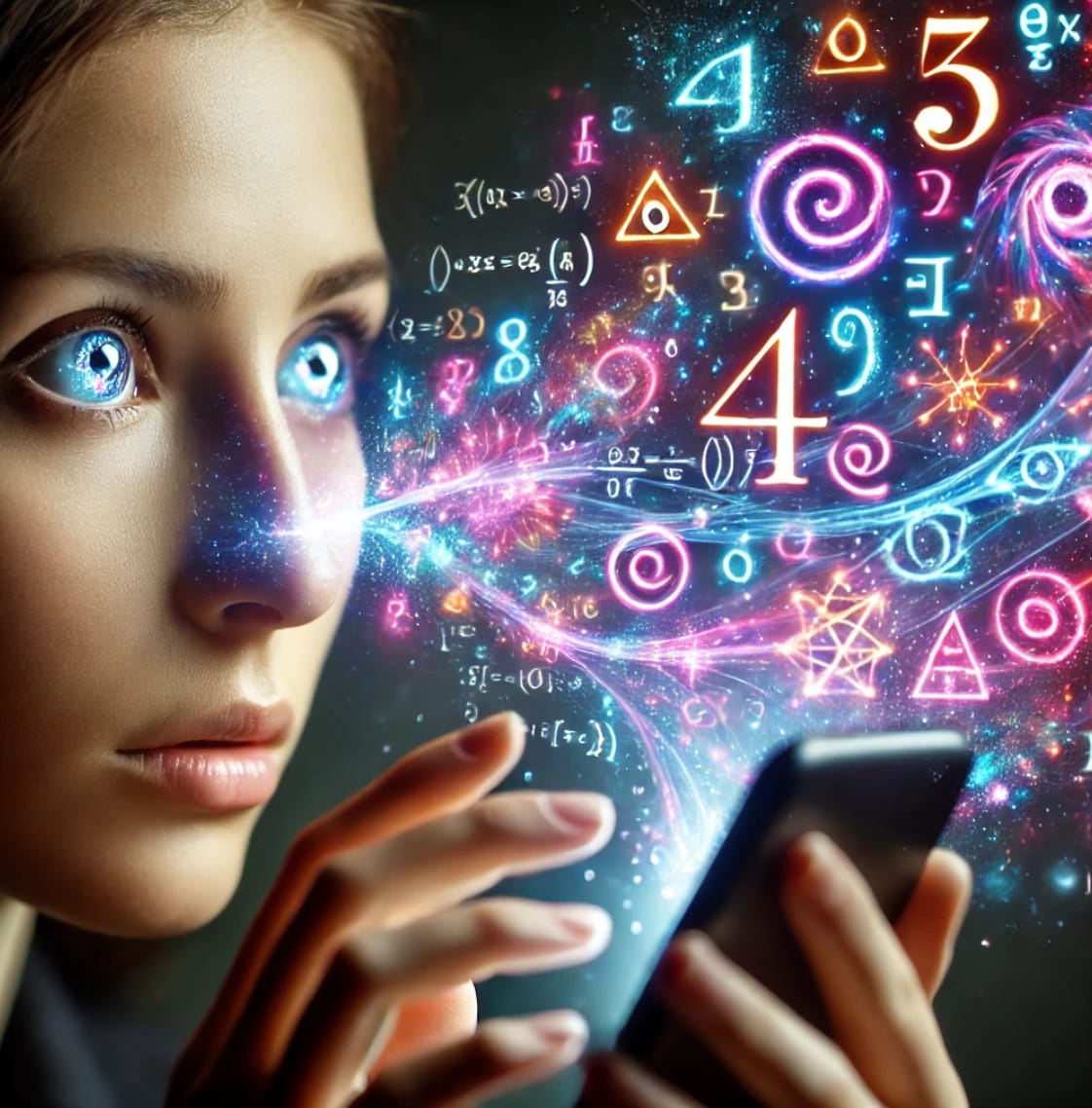
Magick is a science, and today many people have been “magically” put under an algorithmic spell through their devices, being controlled at a distance, causing change to occur according to someone one else’s Will. We need to take back the magick.
ART
But magick is also an art, and like all arts, it’s is more or less practiced by everyone, whether consciously or not. And for our purposes, a definition of art is the ability to follow the imagination into creating something new. Whether you’re following language, sound, image, intuition, it’s that ability to submit to an organic artistic process unimpeded by or filtered through the imperatives of cognitive structures.
And one of the unconscious ways we practice magick is superstition.
When you believe something to be true about the world, say a black cat crossing your path being bad luck, you follow your imagination into the possibilities of bad luck and cause change in conformity to that belief. On the neurological level, your brain filters out all other possibilities and seeks out bad luck. And you will find it. If you wake up one morning feeling good and you say as your first words of the day, This is going to be an amazing day, it will be.
When people believe in superstitions, when they encode them into how they process reality, they change reality. And that can be addicting.
The Last Philosopher in Texas is subtitled Fictions and Superstitions, because I was writing a character (Angie from “The Flickering Quasar”) who was fascinated by superstitions, and at an early age, growing up in Mexico City, she started to write in a notebook about the ones she knew, and then she started researching them from other cultures.
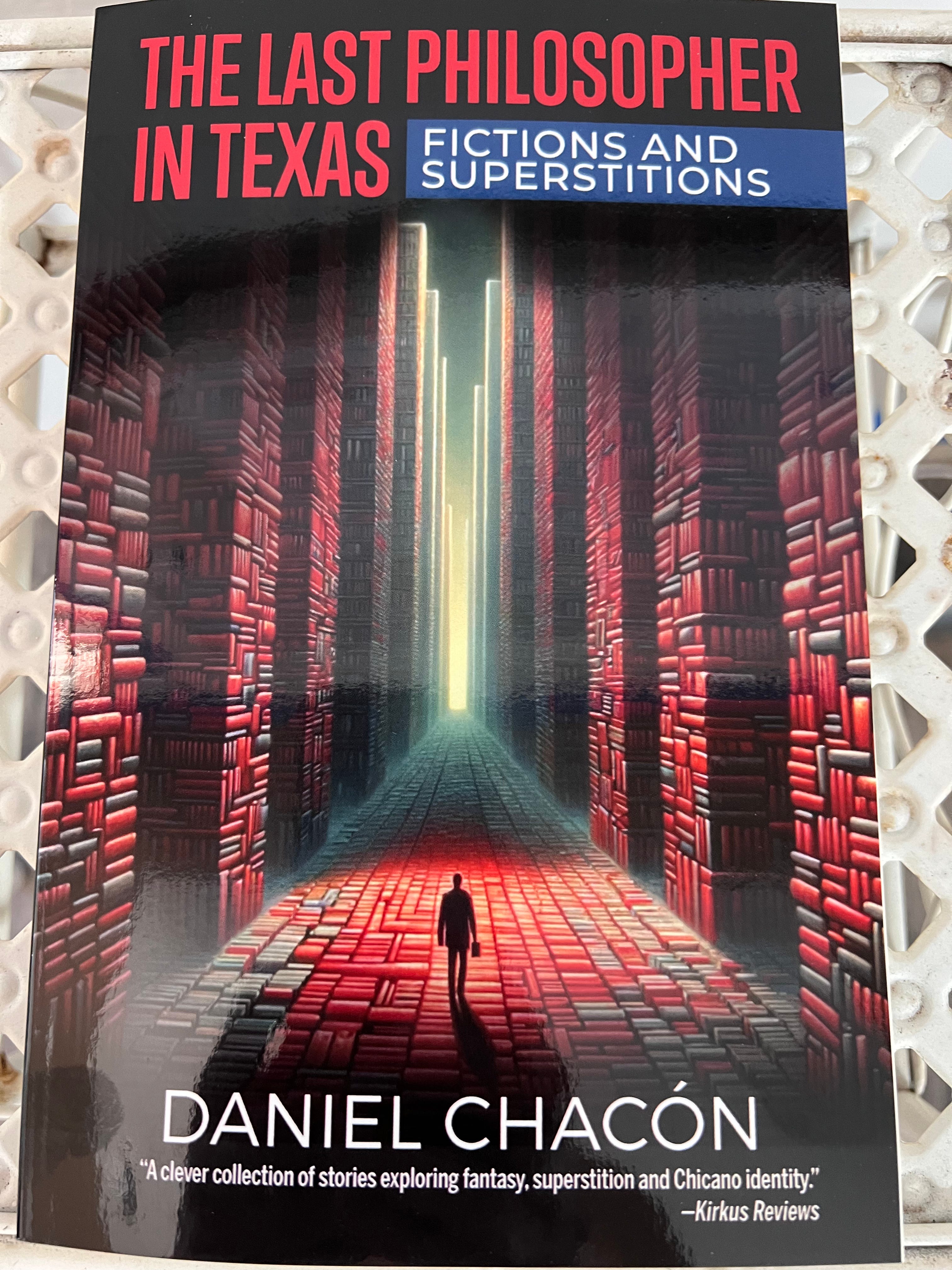
She noticed connections between superstitions and reality, that is, to something true, like walking under ladder.
Of course it’s bad luck! Duh!
If there’s a ladder against a building, that means that someone is or was repairing something up there, like a roof tile, and if you want underneath the ladder, a hammer might fall on your head. So when she became a practicing witch, her book of superstitions became her Book of Shadows.
So I was writing, channeling her voice, and I found myself creating superstitions, but all of them seemed rooted in some truth about reality. Both my character and I realized the potential for “spooky action at a distance.”
Magick is real.
(In part two we look at how superstition becomes magick and practical ways to use it for our own goals)